Guide to Commercial Painting: Key Differences, Costs, Processes, and Expert Insights
Commercial properties are more than addresses on essential documents. They are the places where all your business operations and transactions take place. And a poorly maintained commercial property can negatively impact your business reputation, lower its curb appeal, and make the property vulnerable to damage from environmental elements. To ensure your commercial business looks its best, opting for commercial painting services is recommended.
With these professional services, your commercial property receives the care and attention it deserves. Most commercial painters in Auckland understand that commercial property painting’s impact goes beyond adding to its aesthetic value. The process ensures the interior or exterior of the property is painted using premium quality paint, adding to its shine and aesthetic value.
But is commercial painting only about painting the wall with a fresh coat of paint, or is there more to it? Here’s everything you need to know about:
What Are the Different Types of Commercial Painting
Depending on the unique requirements of your business, commercial painting can look like:
-
Exterior painting
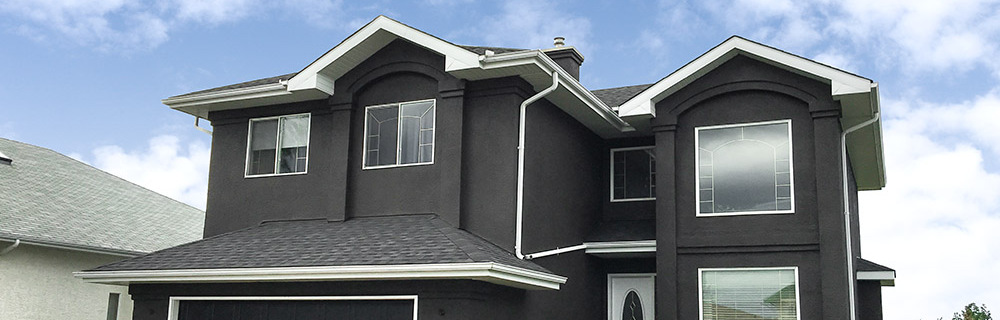
Exterior is the most common type of painting service in commercial properties. The walls, roof, fence, gates, trims, mouldings, or columns are painted during the process. Any outbuildings, such as garages or storage spaces, are also considered.
-
Interior painting
Interior painting is a part of the commercial painting process. During the process, the surfaces to be painted are cleaned before a coat of paint is applied to the surface. This service is commonly paired with exterior painting and is an incredible way to renew the property’s aesthetic appeal.
-
Minor masonry repair
Painting the entire commercial property is unnecessary, especially when the key concern is uneven surfaces or cracks. Minor masonry repairs can restore a surface’s evenness and tackle cracks without repainting the entire property.
-
Decorative painting
Our decorative painting services are excellent for restaurants and medical centres that want to extend their vision and mission to their workplaces. This service encompasses painting the property in the brand’s colours or incorporating logos into rooms frequently used for important decisions.
Factors That Contribute To The Commercial Painting Cost
Large commercial properties often necessitate more time and resources for painting. However, that’s not the only factor governing the price of commercial painting. Here are other factors you should know about:
- Project’s size and scope: Larger buildings usually have more rooms that need to be painted, while smaller commercial spaces have significantly less area to paint.
- Surface condition and preparation work required: If the walls are in bad condition, commercial painters will have to fix the cracks, chipping, and uneven surface before the actual painting process starts.
- Quality and type of paint: Premium-quality paints with better durability, fade resistance, and coverage are pricey but worth the investment.
- Labour costs: The expertise and number of painters needed will directly impact the project’s budget.
- Time of the year and weather conditions: During peak season, adverse weather conditions, delays, and extended project timelines can make the project expensive.
These factors significantly impact the project’s overall cost, individually and combined.
What Is the Commercial Painting Process
A commercial painting process is drastically different from a residential project. While the attention to detail remains the same, there’s more emphasis on painting the property with a fresh coat of paint to protect it while adding to its charm. Here are the significant steps in the process:
- Initial consultation: During this stage, the experts will contact you to understand your expectations for commercial property painting. They will also discuss colour selection, the project timeline, and any compliance requirements to fulfil before starting the project.
- Preparing the property: Once everything has been approved, the experts will start preparing the property by making surfaces even and dealing with cracks or chipping. As the step is completed, the painting process will begin.
- Final delivery: When the commercial property cleaning is complete, the experts will hand over the property along with care and maintenance instructions. Strictly following these tips will make your commercial property look new throughout the year.
The Bottom Line
Commercial painting applies paint and protective coverage to commercial properties like offices, warehouses, workshops, medical centres, retail stores, and restaurants. It ensures your property looks well-maintained and protects it from the negative impact of environmental elements. Every business can tailor the painting to reflect your brand on your commercial property. Such customisations convey a strong brand message and demonstrate your business’s dedication to its goals and objectives.
 Previous Post
 Next Post